Fall goes by quickly on the Côte-de-Beaupré. For a few weeks, the scenery changes almost daily, and the contrast between the river, farmland and mountains becomes especially photogenic.
By mid-October, the fall colours are not necessarily at the same stage throughout the region. That is exactly what makes it such an interesting place to photograph. You can seek out the last fiery shades in the forest, catch the goose migration along the river or focus on rural landscapes and the softer light of fall.
You do not need a professional camera, either. A phone is often all it takes to come home with beautiful images. Here are seven places to include in your photo itinerary this fall.
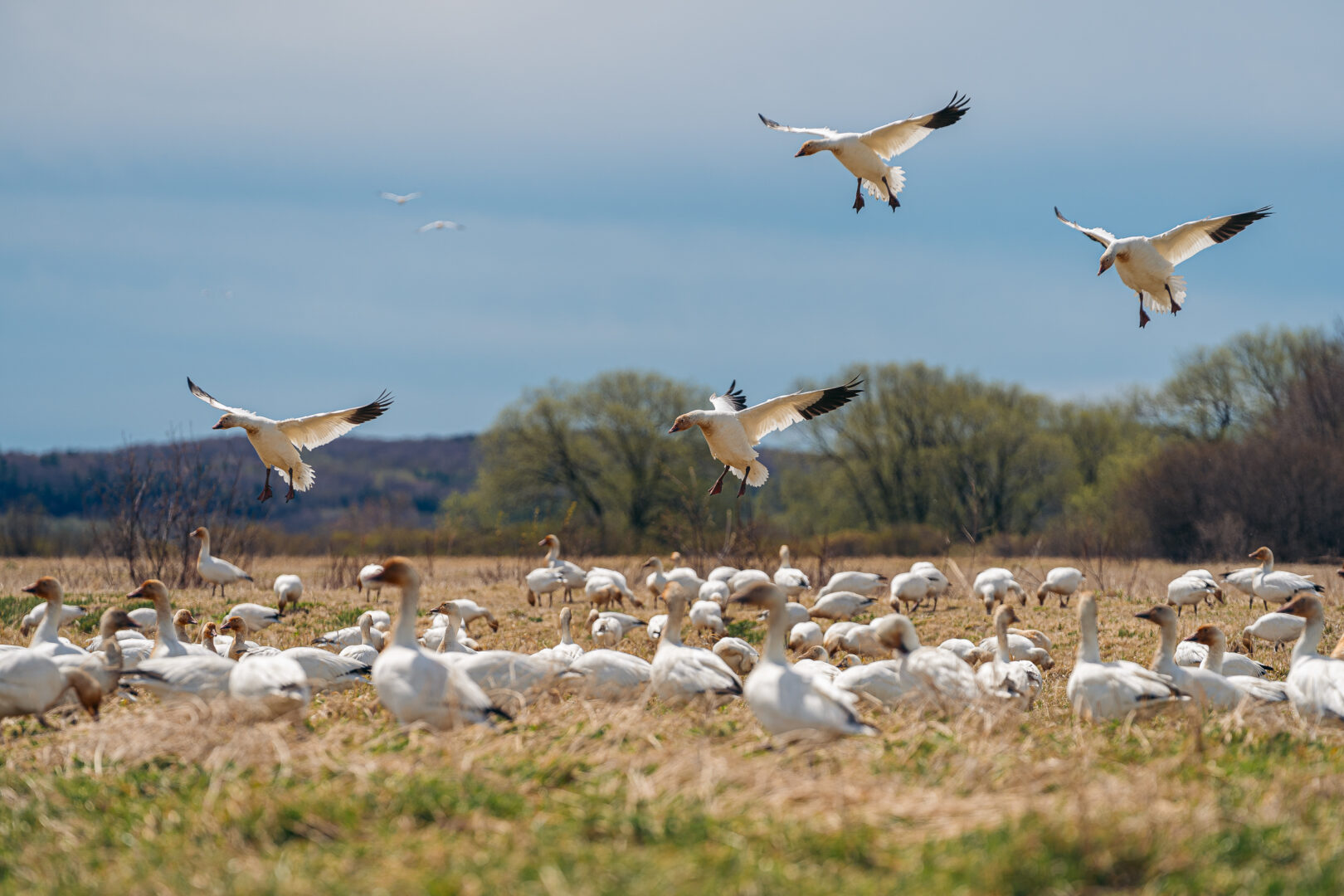
In October, the Cap-Tourmente National Wildlife Area offers much more than colourful scenery. Snow geese stop here during their migration and can gather by the tens of thousands on the tidal flats.
For photography, the combination is hard to beat. Frame the birds against the river, play with the wide-open marshland or climb a little higher on some of the trails to include the mountains in your shot.
The morning light is particularly appealing, but an overcast day can also produce beautiful images by bringing out the birds and the colours of the vegetation. As always in the wildlife area, stay within permitted areas and check trail conditions before your visit.
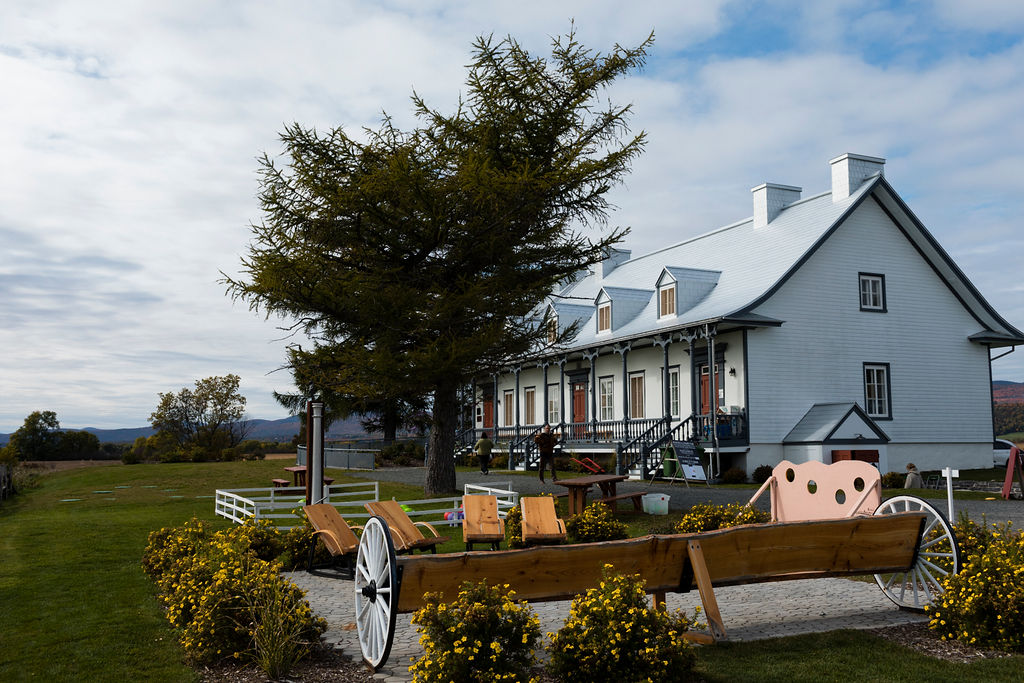
There is more to fall on the Côte-de-Beaupré than brilliantly coloured forests. In Saint-Joachim, farmland, heritage buildings and mountains in the background create a completely different setting.
The area around La Grande Ferme is particularly interesting. This historic site sits in an expansive landscape where fields, built heritage and the surrounding hills can easily fit into a single image. Its outdoor discovery trail also offers a chance to learn more about the site’s history and the area’s agricultural role since the days of New France.
Take some time to explore Saint-Joachim’s roads at a leisurely pace, too. At this time of year, just a few minutes can take you from wide-open farmland to a quiet road lined with colourful trees.
For more dramatic images, head to Canyon Sainte-Anne. The river rushing between rocky cliffs, the suspension bridges and the forest create compositions quite unlike the wide-open landscapes elsewhere in the region.
In fall, the colours frame the canyon and add even more depth to the views. Even as the leaves begin to fall, the rocks, water and evergreens continue to offer striking scenery.
Be sure to plan this outing before the season ends. Canyon Sainte-Anne is open until October 25, 2026. After that date, you will have to wait until next season to visit.
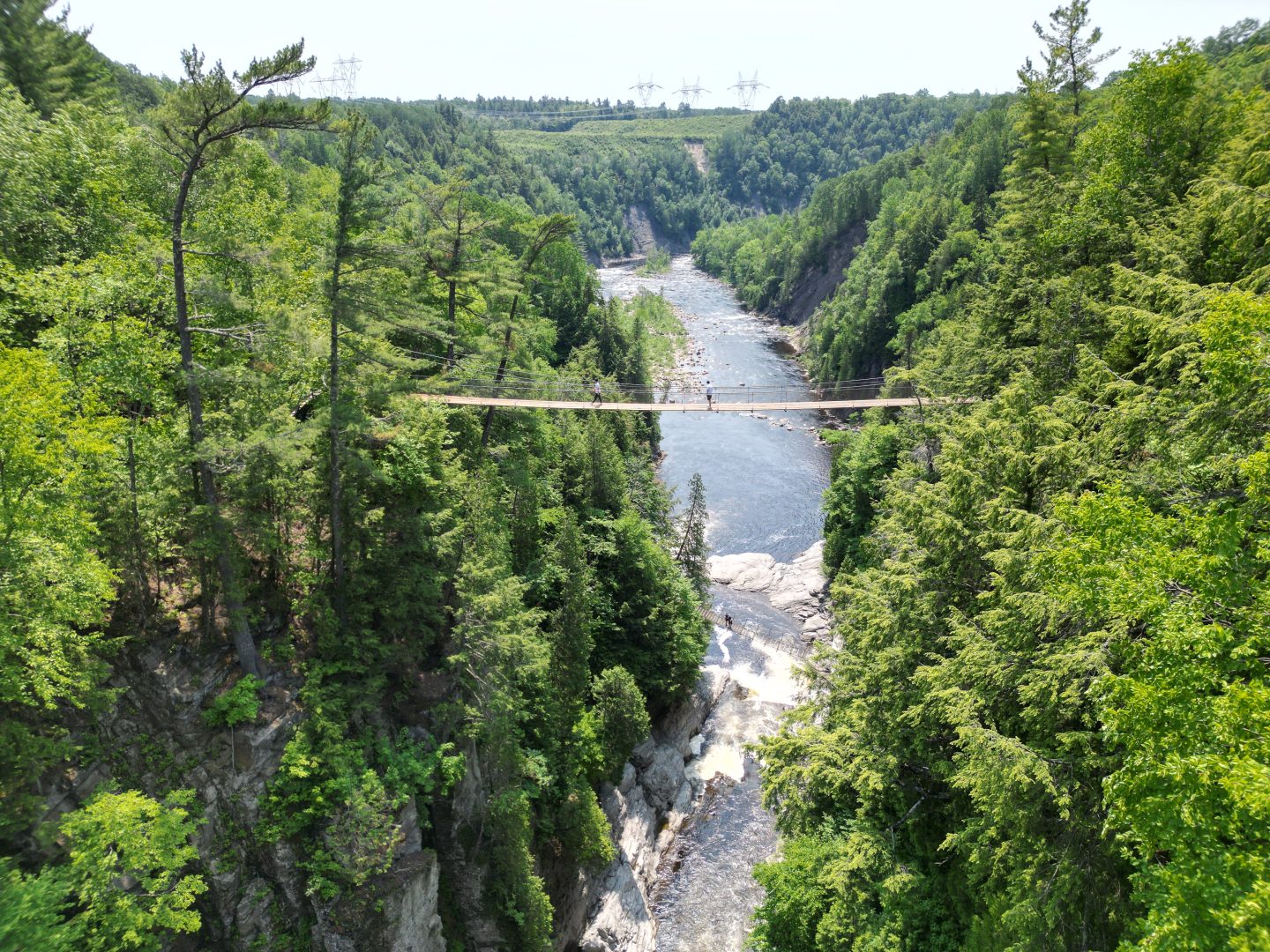
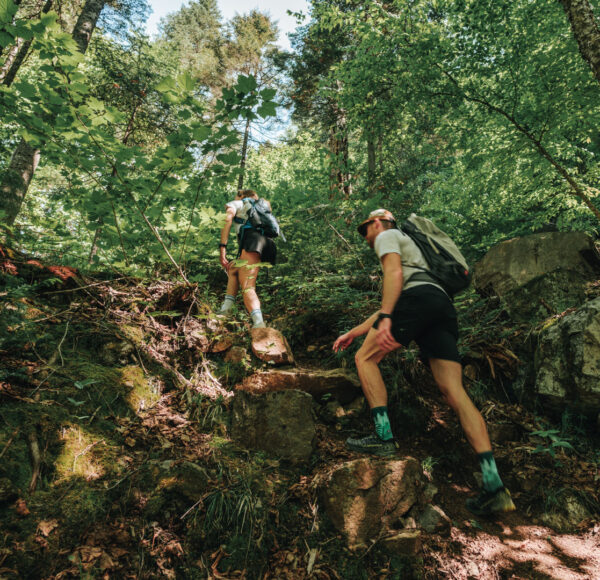
The Mestachibo Trail is for anyone who wants to combine photography with a proper hike. Here, you are not simply walking to a viewpoint. The scenery keeps changing with every kilometre.
The trail follows the Sainte-Anne River through mature forest, with footbridges, rocky stretches and openings overlooking the water along the way. In fall, there are plenty of compositions to explore, whether you want to capture a sweeping landscape or the details of the forest floor.
Mestachibo remains a challenging trail. Allow plenty of time, wear good footwear and remember that wet leaves can make some sections more slippery. For the 2026 season, the trail closes on November 1.
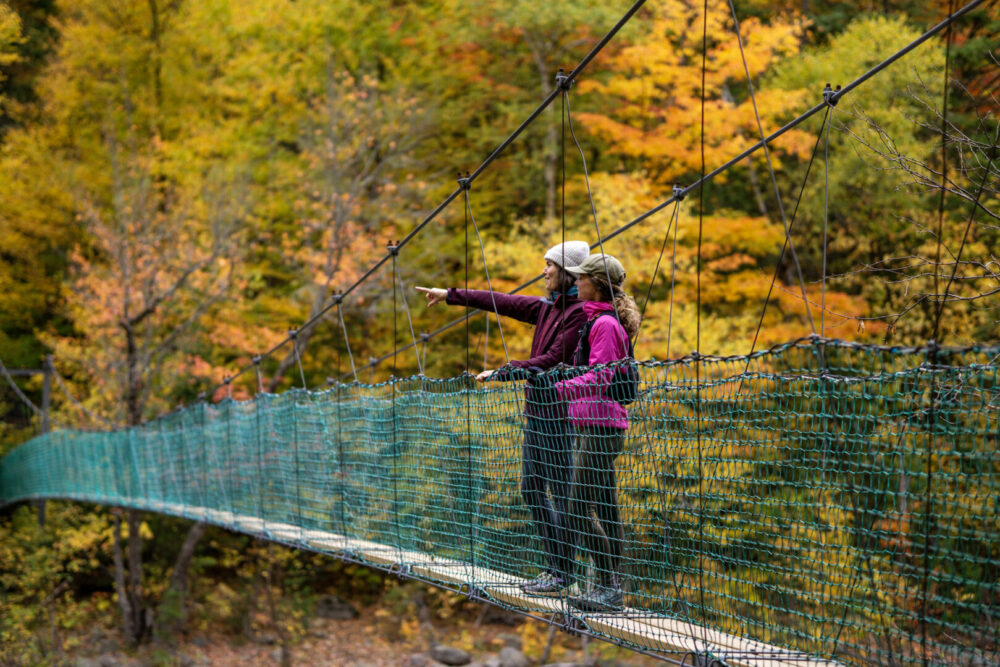
Photo: Cynthia Allard
A waterfall surrounded by colourful deciduous trees is almost a sure bet for fall photography.
Jean-Larose Falls offers several ways to frame your shot: focus on the waterfall itself or leave more room for the forest and rock faces around it. When the colours are still on the trees, the contrast with the water is especially beautiful.
It is also a good option if you want to photograph a natural landscape without planning a full day on the trails. Fall access to the area ends on November 1, 2026.
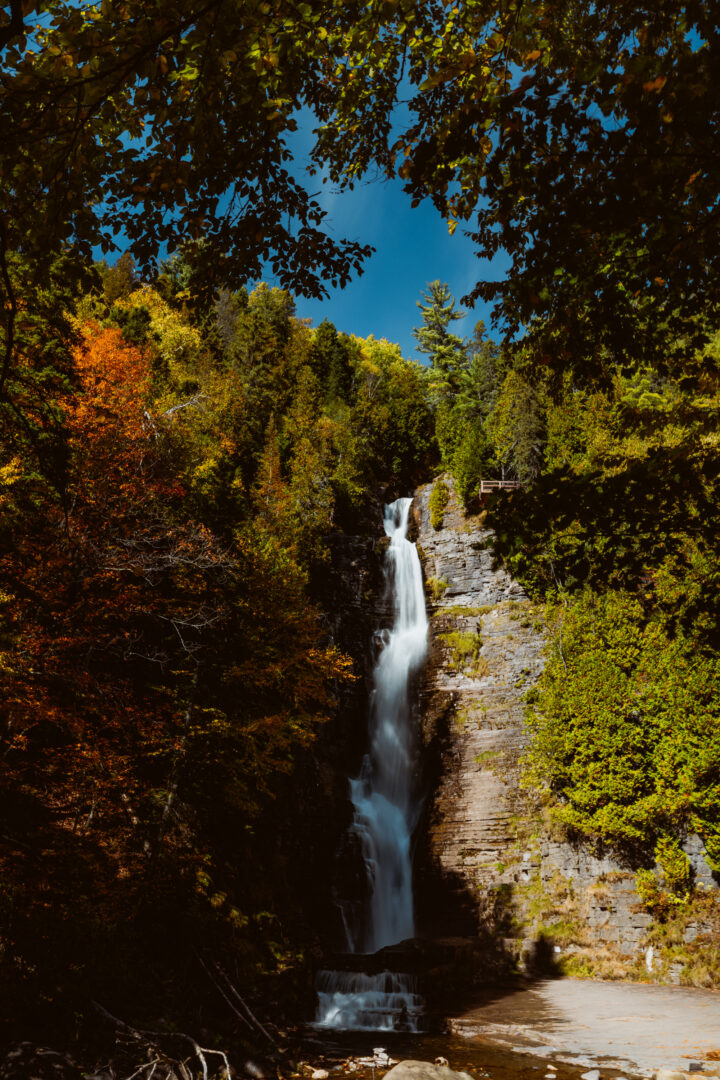
Photo: Étienne Dionne
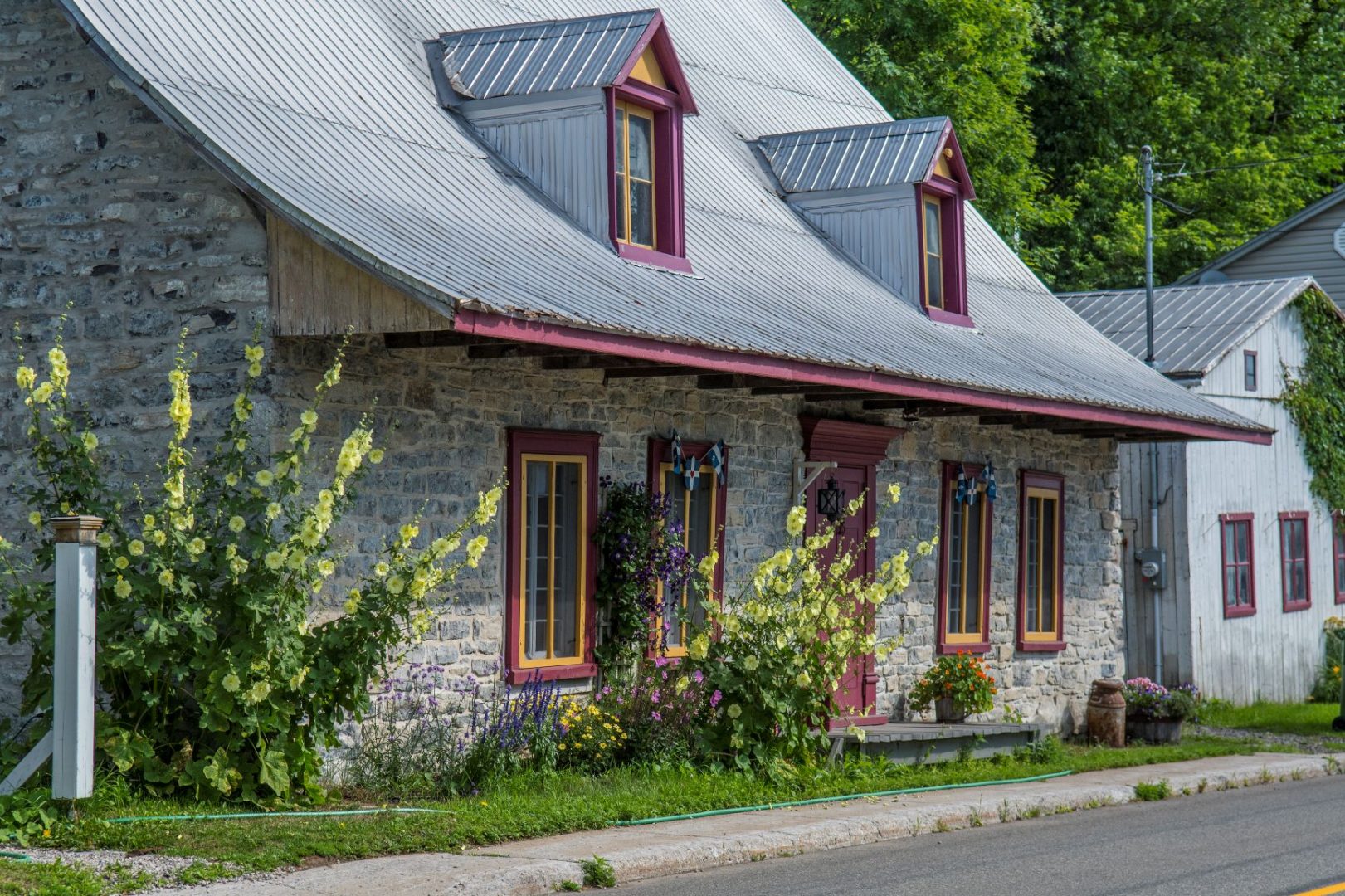
The best fall photos are not always taken from a mountaintop. Following the Route de la Nouvelle-France and Avenue Royale takes you through a succession of rural landscapes, ancestral homes, farmland and small village centres.
It is the perfect place to look for the details that give the Côte-de-Beaupré its identity. An old house behind a colourful maple, a barn at the far end of a field or a road disappearing towards the mountains can sometimes tell a richer story than a sweeping panorama.
The idea is simple: allow a little more time than you need for your drive and give yourself the freedom to stop whenever the scenery catches your eye, always somewhere safe and permitted.
To round off a day of photography, the Sainte-Anne-de-Beaupré wharf offers an entirely different perspective on the region.
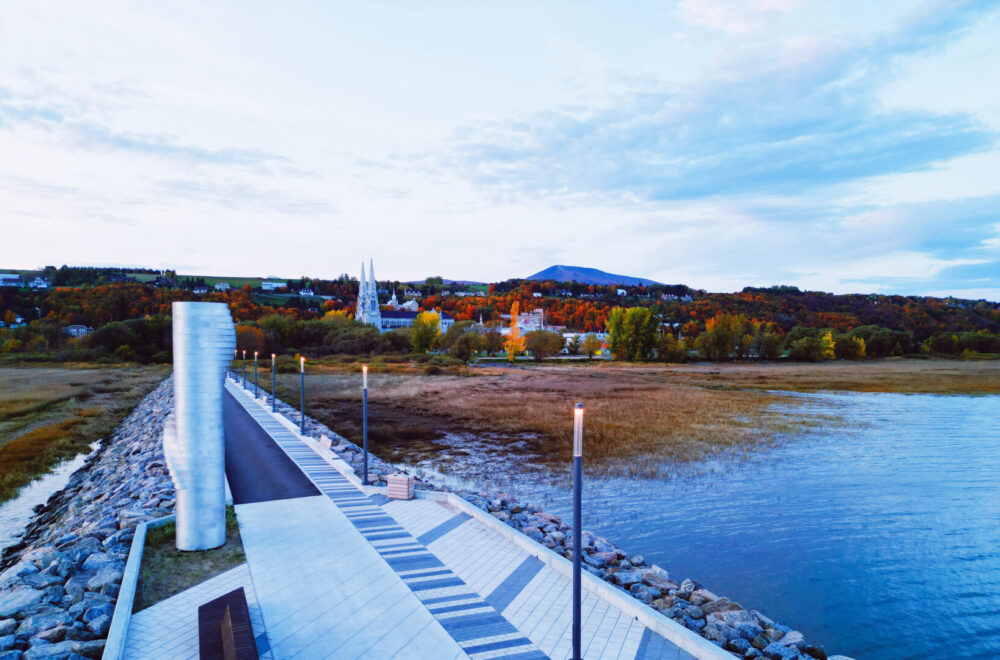
Here, the St. Lawrence River becomes the main subject. You can photograph Île d’Orléans, distant mountains, reflections on the water and, above all, the light as it changes rapidly towards the end of the day.
Even when there is less colour left in the trees, fall skies and the lower angle of the light can completely transform the landscape. Keep this spot in mind for the last hour before sunset.
The best light is often early in the morning or late in the day, when the sun is lower and contrasts are less harsh. In the forest, cloudy days are far from wasted. Diffused light often brings out colours and details beautifully.
After rain, leaves can also look more saturated. Just remember to protect your camera or phone and take extra care on wet trails.
Finally, before heading out, consult the Bonjour Québec fall foliage map and check conditions and opening hours at the places you plan to visit. In mid-October, a few days can make a big difference to the scenery.
Part of what makes fall so special is that it does not last. The colours change quickly, the geese arrive and move on, and seasonal attractions gradually close their doors.
Now is the time to grab your camera or simply your phone, hit the road and take a closer look at the Côte-de-Beaupré.
Sometimes, the best photo of the day is the one you never planned to take.
The Côte-de-Beaupré offers a wide variety of settings just minutes from Québec City. The Cap-Tourmente National Wildlife Area, Saint-Joachim, Canyon Sainte-Anne, the Mestachibo Trail, Jean-Larose Falls, the Route de la Nouvelle-France and the Sainte-Anne-de-Beaupré wharf are all great places for fall photography.
The Cap-Tourmente National Wildlife Area is one of the best places to watch and photograph Greater Snow Geese during their fall migration. They are especially numerous in October.
In 2026, Canyon Sainte-Anne stays open until October 25. The Mestachibo Trail and the Jean-Larose Falls area close on November 1. Conditions and opening hours can change, however, so always check before heading out.
Yes. Saint-Joachim, the Route de la Nouvelle-France and the Sainte-Anne-de-Beaupré wharf offer beautiful scenery without a long hike. Jean-Larose Falls can also work for a shorter outing, depending on access and conditions.
Early morning and late afternoon generally offer softer light. Cloudy days can also be excellent for forest photography, since the light is more even and brings out the colours.
No. Recent smartphones can produce excellent images. Your choice of location, light and composition often matters much more than the equipment you use.